
Amsterdam’s tram system connects every major tourist destination you’ll want to visit in the visit.
I’ll show you exactly how to use them, which tickets save you the most money, and which lines get you to Amsterdam’s top attractions fastest. You can master the system without overwhelm with the right information.
Most visitors waste money on overpriced single tickets or get confused about which door to use.
As I local I know exactly how the system works, and I’ll share my insider knowledge with you to make your Amsterdam tram travel effortless—including the money-saving tricks we locals use everyday.
Table of Contents
Essential Tram Lines for Tourists
Trams 2 & 12 are your main workhorses. Both connect Central Station to Dam Square, Museum Quarter (Rijksmuseum, Van Gogh Museum), and Leidseplein. These two lines alone will handle 80% of your tourist destinations.
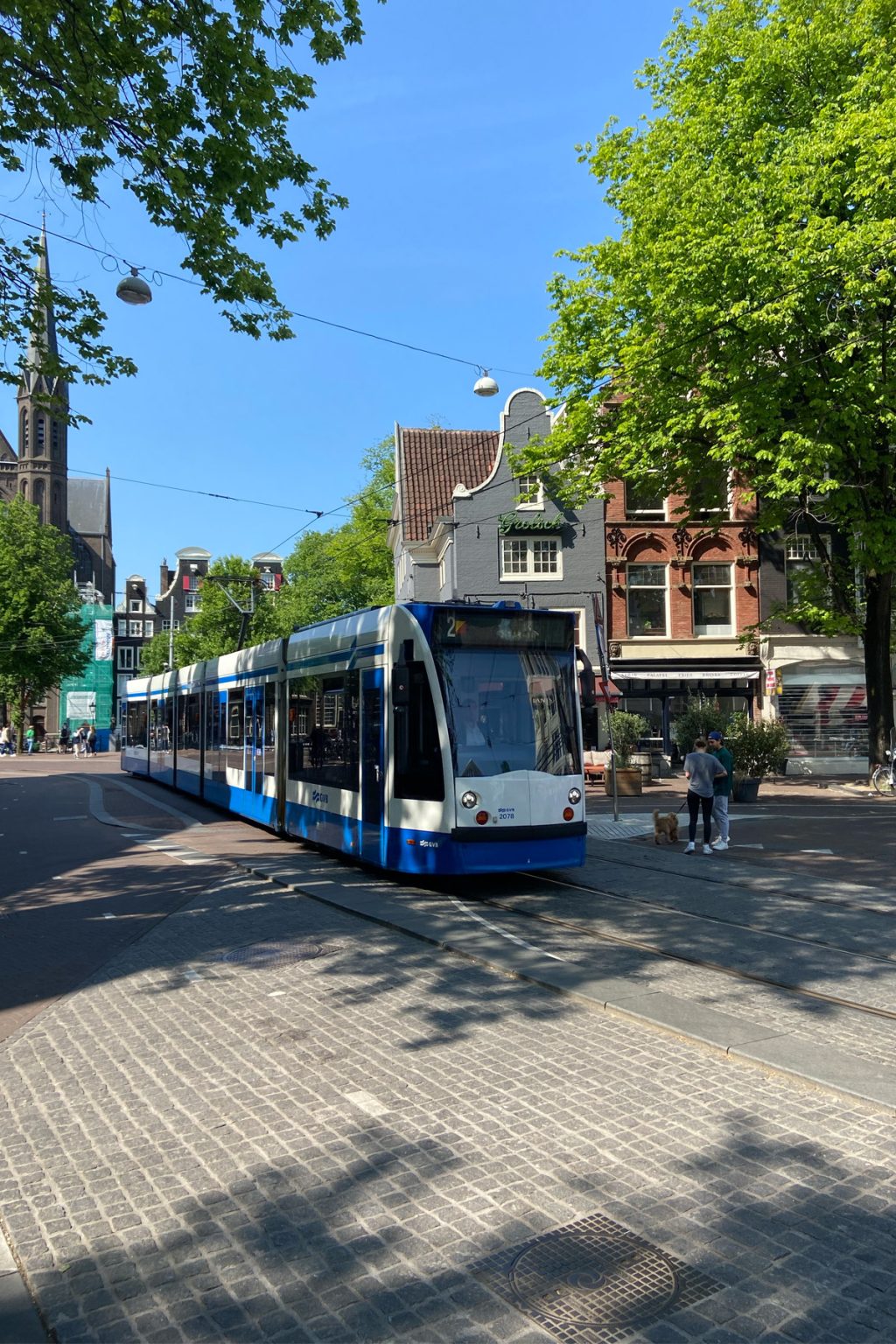
Tram 5 links Museum Quarter to the charming Jordaan neighborhood—perfect for exploring local cafés and shops after museum visits.
Trams 4 & 14 both start at Central Station and reach Rembrandtplein. Tram 4 continues to trendy De Pijp district, while Tram 14 heads to the Jewish Quarter and Artis Zoo.
Trams 13 & 17 serve western Amsterdam, stopping near Anne Frank House, Westerkerk, and Ten Katemarkt.
Tram 26 is perfect if you’re driving—park at P+R Zeeburg (reduced rates) and ride directly to Central Station.
Pro tip: For many destinations across Amsterdam, the Amsterdam Metro is my secret weapon—it’s must faster than trams and surprisingly underused by tourists. I cover this completely in my dedicated metro guide. Not as scenic as the tram but it gets you places fast.
Smart Ticket Options That Save Money
Contactless Payment (OVpay): Tap your credit/debit card when boarding and exiting. You’ll automatically get charged the lowest fare—typically €1.00-€2.00 per ride. Perfect for occasional use. It’s important to know one card per user. You can not share. And do not forget to tap when you exit, or you’re charged the maximum amount.
GVB Day Tickets: At €9 per day, this pays for itself after just 4-5 rides. Multi-day tickets offer even better value. If you do not need transit outside of Amsterdam this pass is perfect. Get your passes in advance.
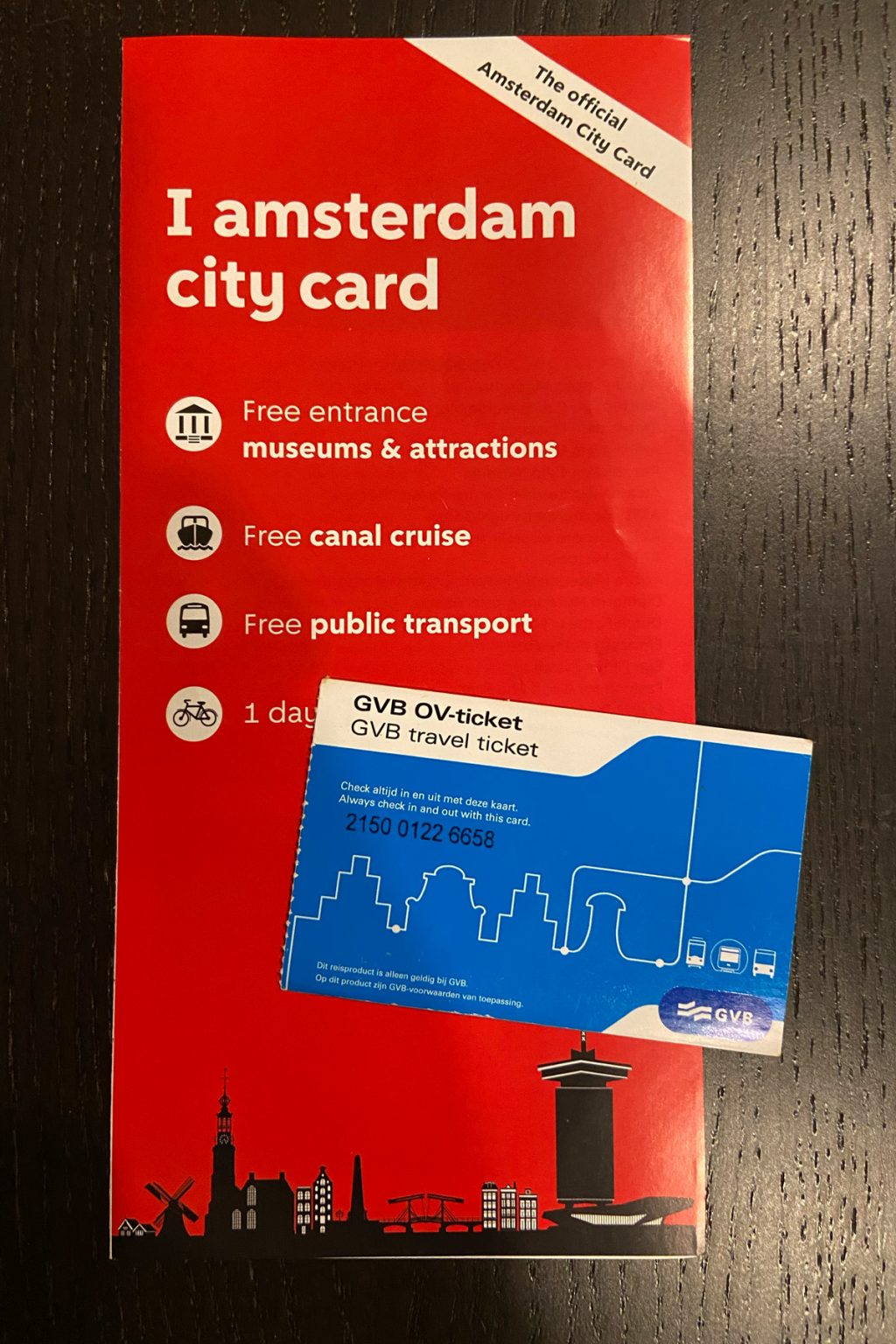
Tip: are you also visiting Museums in Amsterdam? Then the “I amsterdam City Card” offers better value. It includes free access to 90+ museums and public transportation in the city. I’ve written a detailed breakdown of whether it’s worth it for your trip.
Amsterdam & Region Ticket: if you’re also planning to visit Zaanse Schans, Volendam, Marken, Weesp, Edam, or traveling to/from the airport the Amsterdam & Region ticket (get yours here), is your better option. It covers trains, buses, metro’s AND trams in Amsterdam and surrounding area, not just trams and metros within the city limits.
But whatever you do skip the €3.40 one-hour tickets sold on trams—they’re overpriced tourist traps. Other tap your card, get a Day Pass, The “I Amsterdam Card“, or an Amsterdam & Region ticket if you want to travel outside of the city too.
How to Board and Exit Amsterdam Trams
Boarding: Use only the front door (by the driver) or the “Welcome” marked doors (usually the second-to-last). Never try other doors—they’re exit-only.
Scan Your Tickets: If you have your ticket on your mobile phone (day passes, and “I amsterdam card”) > scan QR codes at the bottom of the machine (code facing up, look for red light). Physical cards, like bank cards, need to touch the contactless symbol on the front of machine (remember one card per person).
Exiting: Press the stop button before your destination. Use any door except the two boarding doors. If using contactless payment, remember to tap out before you leave to avoid the maximum fare.
The tram host in the back can help with questions, but buy tickets in advance to avoid delays and higher costs.

Skip the tourist traps.
See the real Netherlands.
Plan your trip step by step, with practical tips landing in your inbox right when you need them. Save time, and skip the mistakes.
Planning Your Journey
Google Maps or Apple Maps work perfectly for tram routes, showing real-time departures and the exact stop to exit.
For mobile data while traveling, I recommend getting an affordable eSIM rather than expensive roaming charges.
Amsterdam Tram Schedule and Frequency
Trams in Amsterdam run daily from around 6 AM to midnight. During the day, expect a tram every 5-10 minutes. Evening and weekend service runs 3-4 times per hour.
Tram Accessibility and Seating
Blue seats are for everyone. Red seats are priority seating for elderly, pregnant women, and those with disabilities or injuries. You can sit in red seats if empty, but must give them up when needed (I would give up a regular seat for somebody who needs it more too)
All Amsterdam trams accommodate wheelchairs, and scooters are allowed space permitting.
Historic Tram Experience
Want something special? Want something special? Take the nostalgic Lijn 30 tram from Haarlemmermeerstation to Amstelveen. You’ll ride beautifully restored vintage trams complete with ticket punching and old-fashioned whistles.
⤷ You can buy tickets for this historic tram ride here. Book in advance capacity is limited.
You can also take a city tour on the nostalgic Lijn 20 tram, which runs on select days around the city center. It starts at Dam Square.
Popular Travel Resources
My Favorite Amsterdam Books from Amazon
Here are the four Dutch books I think everybody visiting Amsterdam should get:

Rick Steves is my favorite guidebook for Amsterdam
Buy Now

Fantastic book to learn about Dutch culture
Buy Now

This city map is laminated and super useful!
Buy Now

This is my favorite art book for the Rijksmuseum
Buy Now

System Map
You can download the system network map of Amsterdam from the official GVB website.
How much does an Amsterdam tram ticket cost?
Single rides with contactless payment cost typically €1.00-€2.00 per ride depending on distance. Day tickets start at €9 and become cheaper per day with multi-day passes. Avoid the €3.40 one-hour tickets—they’re poor value for tourists.
Can I use my credit card on Amsterdam trams?
Yes, any contactless credit or debit card works perfectly (Visa or Mastercard). Tap when boarding and exiting, and you’ll automatically get the best fare. This is often cheaper than buying single tickets and much more convenient than cash (which isn’t accepted anyway). Make sure to use a unique card per person.
Which tram goes to the Rijksmuseum and Van Gogh Museum?
Trams 2 and 12 both stop at Museum Quarter, right by both museums. Board at Central Station, Dam Square, or Leidseplein. The stop is called “Museumplein” and you can’t miss it.
Do Amsterdam trams run at night?
No, trams stop around midnight. Night buses take over until trams restart at 6 AM. If you’re planning late dinners or evening entertainment, factor in taxi costs or plan to stay near your hotel after midnight.
Are Amsterdam trams accessible for wheelchairs and mobility issues?
All trams accommodate wheelchairs and have priority seating (red seats) for those who need them. The low-floor design makes boarding easy, and drivers can extend ramps if needed. Much more accessible than trying to navigate cobblestone streets on foot.
Do My Articles Help You Planning Your Trip? ☕️
Consider saying thanks by buying me a coffee.Your support helps me create more helpful travel content. Thank you ❤️
Final Thoughts
Using Amsterdam trams is straightforward once you know these basics. The system is reliable, covers all major attractions, and with the right ticket, quite affordable.
It’s much faster than taking a taxi, and is a nice break from walking. Trams allow to see something of the city too. If you want the fastest mode of transportation than use the metro system (find my guide here).
Here is where you can find all my handy travel guides.


