

If this is your first trip to the Netherlands, you don’t need to see everything.
That’s the biggest mistake I see first-time visitors make.
What you need is the right pace, the right base, and a plan that fits how you like to travel.
I live here and plan trips for visitors every week. This page helps you get oriented — without stress.
If This Is Your First Trip to the Netherlands, You’re Probably Thinking:
- “I don’t want to rush, but I also don’t want to miss the good stuff.”
- “Should I use trains, taxis, or try to figure out driving and parking?”
- “I just want to know what’s actually worth my time.”
That’s exactly what this page is for.
Jump To:
Before You Book
Before you start reserving hotels or tickets, I recommend take a breath for a moment. A few early choices can make everything else easier, or harder.
What I want you to decide first:
- How many days you actually have on the ground
- Whether you want one base or two
- What kind of pace feels comfortable for you
Most first-time visitors get into trouble by booking too much too early, packing days too tightly, and moving in an inefficient order.
That’s also where many ready-made itineraries fall apart.
If you remember one thing from me today, let it be this: leave space in your itinerary. It makes the whole trip easier and more enjoyable.


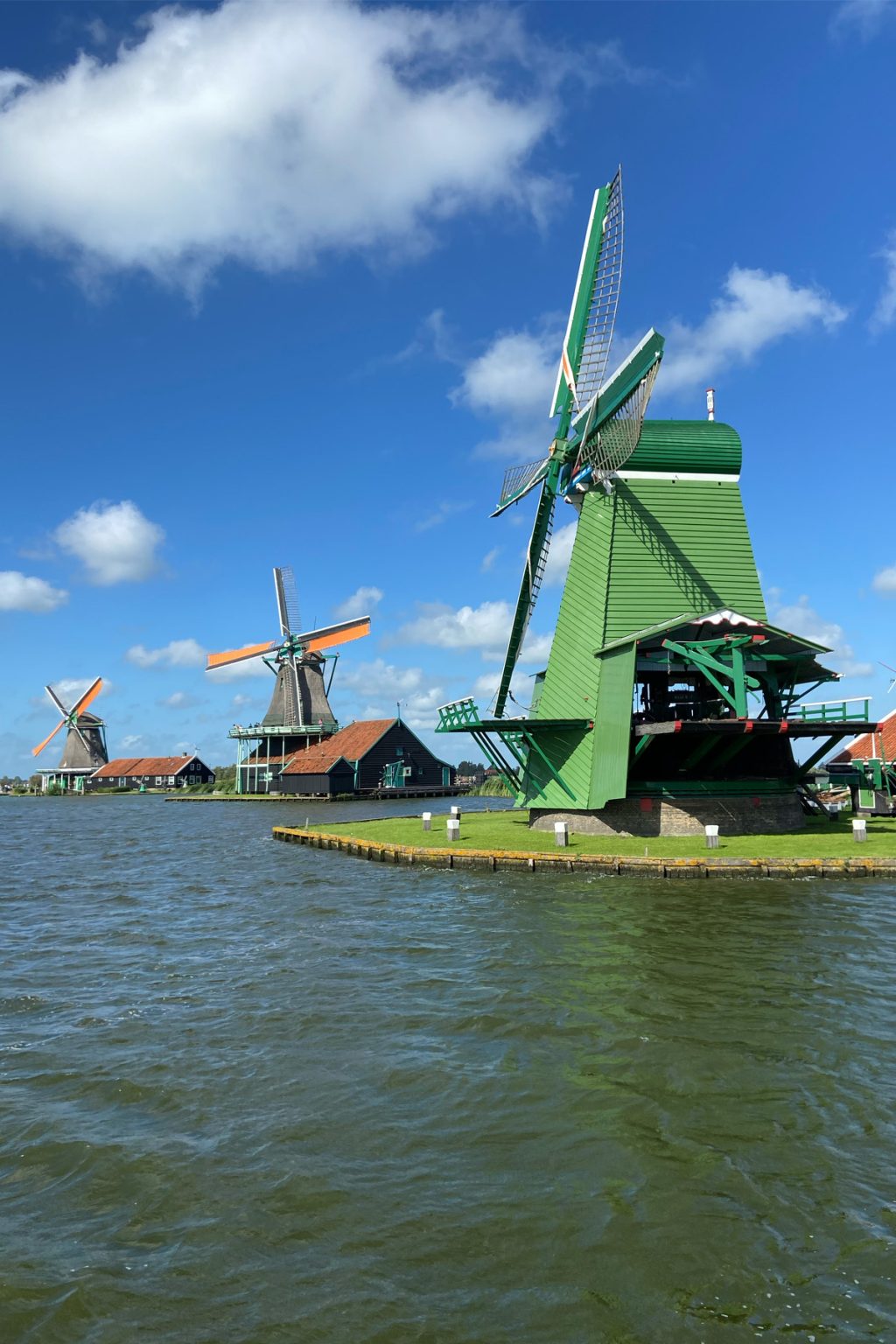
Welcome to the Netherlands – © Hidden Holland
How Many Days You Need
This is what I recommend for first-time visitors:
1–2 days
Common for a layover or cruise stop. Treat this as a first impression, not a full visit. Keep it small: one neighborhood, slow choices.
3 days
One city. Almost always Amsterdam. Focused, cultural, walkable. Enough time to see the city well, without rushing.
5 days
Amsterdam plus one or two easy day trips. This is a very solid first visit.
7 days
My favorite option. You can add a second city without rushing.
10 days
A relaxed loop with variety. Cities, museums, countryside, and time to breathe.
No matter how many days you have, a plan that’s too packed won’t be enjoyable. Fewer days can also work very well — as long as your expectations are realistic.
⤷ Here is my 3-day Itinerary framework. Perfect to build from even for shorter or longer trips
Skip the tourist traps.
See the real Netherlands.
Plan your trip step by step, with practical tips landing in your inbox right when you need them. Save time, and skip the mistakes.
Where Should You Base Yourself?
Amsterdam
For a first trip, Amsterdam often makes sense for one main reason: convenience.
- Most major museums are here
- Public transport is easy to use
- Day trips are simple without changing hotels
The downside is cost. Amsterdam hotels are expensive, partly because of high local tourist taxes. You’re paying for location and ease.
That’s why where you stay inside Amsterdam matters even more. The right neighborhood can save time, walking, and daily hassle.
⤷ Best Amsterdam neighborhoods for different types of travelers
Outside Amsterdam
Staying outside the city can work well if:
- You want lower hotel prices
- You prefer quieter evenings
- You’re staying more than five days
Places like Haarlem or Leiden are well connected by train. The trade-off is a short commute when you want to be in Amsterdam.
My local take: on a first trip, convenience usually wins. A well-located base often feels better than a cheaper one farther out. A good base saves you energy every day.
PS. In Europe we use Booking.com more than other platforms. So even though you might be used to Expedia or Hotels.com, you often get better results if you switch to Booking.
Getting Around the Netherlands
You do not need a rental car for a first trip. In most cases, it gets in the way. Traffic is intense, and parking is expensive.
The Netherlands is generally very safe and well organized, especially in cities and on public transport. Like any popular destination, pickpocketing can happen in busy areas, but violent crime against visitors is rare.
If you’re comfortable navigating cities like New York, San Francisco, or London, you’ll feel at ease here.
Trains connect cities clearly and frequently. Within cities, trams and walking do the rest. The public transport system is efficient, reliable, and easy to use.
Here are some handy guides to get you started
- How to use the trains in the Netherlands
- Amsterdam transit explained
- Rotterdam public transportation guide
I only suggest a car for very specific rural plans. Otherwise:
- Avoid parking stress
- No navigation issues
- No adjusting to (busy) local driving habits
⤷ I created some super handy “how to get to guides” for the most popular destinations
Best Day Trips
Not every place that looks close on a map works well as a day trip. Some routes look simple but take more time and energy than people expect.
For a first trip, the best options are ones that:
- Are reachable in about an hour
- Don’t require multiple transfers
- Still leave you time to actually enjoy being there
I group day trips by effort rather than popularity, so you can choose based on how the day will feel, not on hype.
If you want a safe place to start, see my guide to easy day trips from Amsterdam, based on routes I’ve done and recommended for years.
Seasons: When to Go to the Netherlands
The Netherlands has very distinct seasons, and timing matters more than most first-time visitors expect. One season can be perfect for one traveler and frustrating for another.
There’s no bad season, but there are mismatched expectations.
Spring
Spring is peak season. Tulips and major events draw huge crowds, and hotel prices rise quickly.
If flowers are your priority, this is the right time, but timing is critical. Peak bloom is short, and mistiming it is one of the most common disappointments I see. Tickets for popular attractions often sell out far in advance.
If you’re looking for quiet, spring is not your season.
Summer
Summer is busy, especially during European school holidays. Cities are lively, festivals fill the calendar, and days are long. It can stay light past 11 p.m. in July.
This is the best weather of the year, but also one of the busiest and most expensive periods. Planning ahead is essential.
Autumn
Autumn is calmer and very comfortable for museums and walking. It’s personally one of my favorite seasons.
Crowds ease, prices soften, and places like the Kröller-Müller Museum are especially enjoyable with autumn colors.
Winter
Winter can be dark and wet, but it’s often underrated.
Evenings in Amsterdam feel intimate once the lights come on, and the Amsterdam Light Festival is gorgeous. Outside the holiday period, museums are at their quietest — an excellent time to see famous art without heavy crowds.
My advice: choose your season based on why you’re visiting. When timing matches expectations, planning becomes much easier.
⤷ Here is my in depth guide on When to visit the Netherlands
Still unsure which season fits your trip? I can help you think it through.
Practical Stuff (Money/Phone/Adapter/Language)
This part is easier than many first-time visitors expect — but small misunderstandings can still cause stress or unnecessary costs.
- Money: Cards are widely accepted, but not all cards work the same way, and fees are often hidden in the fine print.
- Tipping: Tipping is modest and informal, but often still expected.
- Phones: Coverage is usually good, but international plans from home can be expensive. There are better alternatives.
- Adapters: One adapter works for most needs, but voltage and plug type still cause confusion for many first-time visitors. That’s completely normal, and easy to solve.
- Language: This is rarely an issue for visitors. Almost everyone you’ll interact with speaks English, often very well. You don’t need to learn Dutch to travel comfortably here — though a simple “hello” is always appreciated.
I’ve broken all of this down clearly, with current advice and practical recommendations, so you don’t have to piece it together yourself.
Start here:
If You Want My Personal Help
Some people enjoy planning everything themselves. Others want reassurance they’re making the right choices — and value local knowledge shaped around their interests.
If you want:
- A second set of eyes on your plan
- Help choosing what to skip
- Advice that fits your pace and priorities
You can book an itinerary tune-up call with me. We’ll go through your plans together and adjust them so everything works smoothly on the ground — not just on paper.
If you prefer to plan on your own, you can also start with my example itinerary and adapt them to your schedule.
Either way, my goal is the same: a trip that feels calm, well paced, and worth the effort to get here. Welcome to my country: the Netherlands.


